Jurisdiction guide
Researching United States Law
Federal and state law are published in different places. Settle which system governs, then which kind of text you need: statute, regulation, decision or case record.
A question about American law rarely arrives with a label. It might be answered by an Act of Congress, an agency rule, a state statute or a line of court decisions, and each of those lives in a different publication with its own idea of what counts as current. Most lost research time goes on reading the right kind of text from the wrong system, or the wrong edition of the right one.
Federal or state comes first
The federal judiciary's own overview puts the starting point plainly: depending on the dispute, some cases end up in the federal courts and some in state courtsS04. The same division runs through legislation. This guide offers no test for which system governs a given problem, because that is itself a legal question. What it can do is stop a search from starting in the wrong place. Write down which system you think governs and why, and treat the note as a hypothesis to check rather than a settled fact.
Subject matter often decides the answer. A question about an injury or another civil wrong is likely to lead into state sources even when it began with a federal search, and the tort law guide explains why. For one state worked through in detail, see the Texas research guide.
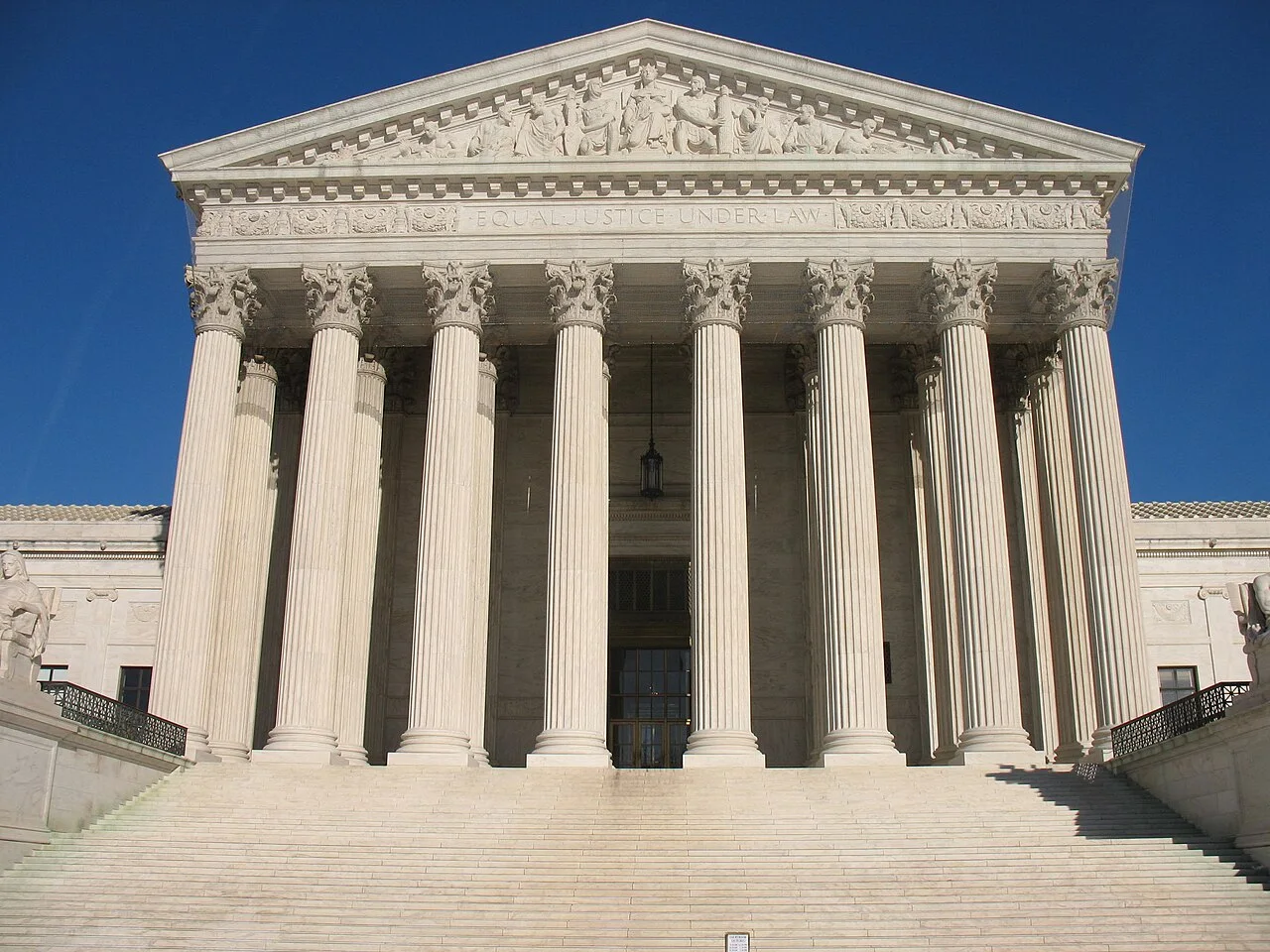

Statutes: the United States Code
The United States Code is the codification, by subject matter, of the general and permanent laws of the United States, divided into titles and published by the Office of the Law Revision Counsel of the House of RepresentativesS17. Two details decide how far you can rely on what you read. The first is the edition: main editions appear every six years, with annual cumulative supplements in betweenS17, so a note of a provision should say which edition or supplement it came from.
The second is positive law. Some titles have been enacted into positive law, which makes their text legal evidence of the law. For the others the Code is only prima facie evidence, and the Statutes at Large still governS17. Check the status of the title before quoting it as the law. GovInfo also asks anyone using its copy for legal research to verify results against the printed CodeS17, which is worth recording beside the date you read it.
Regulations: the CFR and the eCFR
Agency rules are codified in the Code of Federal Regulations, whose annual edition collects the general and permanent rules first published in the Federal Register by federal departments and agenciesS03. Its fifty titles are revised once a year on a staggered cycle, a block of titles each quarter, so two titles consulted on the same day can carry different revision datesS03. Titles divide into chapters, usually named for the issuing agency, then parts and sections, and most citations point to a sectionS03.
The electronic CFR is a different product. GovInfo describes it as a regularly updated, unofficial editorial compilation of CFR material and Federal Register amendments, refreshed dailyS03. Use it to see what has changed since a title's annual revision, use the List of CFR Sections Affected to trace those changesS03, and record which of the two you actually cited.
Courts, opinions and case records
Three federal levels come up constantly. The Supreme Court is the highest court in the United States; the courts of appeals decide whether the law was applied correctly in a trial court or a federal agency; the district courts resolve disputes by finding the facts and applying the law to themS04. Knowing which level wrote a decision tells you what kind of authority it is likely to be.
Opinions and case files are different things. PACER lets anyone with an account search appellate, district and bankruptcy court case and docket information, and its Case Locator searches across courts when you do not know where a case was filedS05. Court opinions are free on PACER to account holders, and many are also available without a fee through a partnership with the Government Publishing Office; other documents can carry charges, which the courts explain on their own fee pagesS05. Most cases created before 1999 exist on paper only, at the court or a Federal Records CenterS05. A docket records what was filed. It is not, on its own, a statement of the law.
Research steps, in order
- Name the system. Write down whether you expect federal law, state law or both to govern, and why, and revisit the note as sources come inS04.
- Find the statute. Search the United States Code by subject, then record the title and section, the edition or supplement, and whether the title is positive lawS17.
- Find the regulations made under it. Locate the agency's CFR part, note the title's annual revision date, then check the eCFR and the List of CFR Sections Affected for later changesS03.
- Read how courts applied it. Find opinions and note the court level of each. Treat docket entries as records of a case rather than as authorityS04S05.
- Move to state sources where the question is state law. Begin with the state legislature's code and the state judiciary's description of its own courts. The Texas guide shows the pattern.
- Record what you read and when. Keep the edition, the revision date and the date you consulted each source, so the work can be checked rather than repeated.
Common traps
- Quoting every Code title as though the codified text itself were enacted law. Enacted titles are legal evidence of the law; non-positive-law titles are prima facie evidence, and the Statutes at Large governS17.
- Citing the eCFR as though it were the annual edition. GovInfo calls it an unofficial editorial compilationS03.
- Reading a docket entry as precedent. PACER holds case files and dockets; opinions are a separate categoryS05.
- Assuming the federal level answers a question that state law governs. Some disputes are federal and some are notS04.
Related reading on this site
- Researching Texas lawThe same method applied to one state: its codes, its courts and its law library.
- Researching tort lawWhy civil wrongs usually lead into state law, and how to frame the question.
- What the legal information institutes holdWhat free access services carry, and what the label does not promise.
- Comparative law toolsFor setting an American rule beside another system's.
Sources
Each page below was fetched and read on the date shown. That records what the page said that day. It is not a legal review, and the law or the page may have changed since.
- S17 About the United States Code. U.S. Government Publishing Office (GovInfo). https://www.govinfo.gov/help/uscode. Checked 2026-10-03.What the Code is, how its editions work and what positive law status means. Does not say that every law is codified.
- S03 About the Code of Federal Regulations. U.S. Government Publishing Office (GovInfo). https://www.govinfo.gov/help/cfr. Checked 2026-10-03.How the annual CFR is organised and revised, and how it differs from the daily eCFR. Says nothing about the content of any rule.
- S04 Court Role and Structure. Administrative Office of the U.S. Courts. https://www.uscourts.gov/about-federal-courts/court-role-and-structure. Checked 2026-10-03.An overview of the federal courts and the federal and state split. Not a test of which court has jurisdiction over any dispute.
- S05 Find a Case (PACER). Administrative Office of the U.S. Courts. https://www.uscourts.gov/court-records/find-a-case-pacer. Checked 2026-10-03.How federal case files, dockets and opinions are reached. Fees are set out on the courts' own pages and are not repeated here.
This guide describes where United States law is published and how those publications behave. It does not say which law governs your situation or what that law requires, and it is not legal advice.
Sources checked 2026-10-03. 4 sources cited on this page.